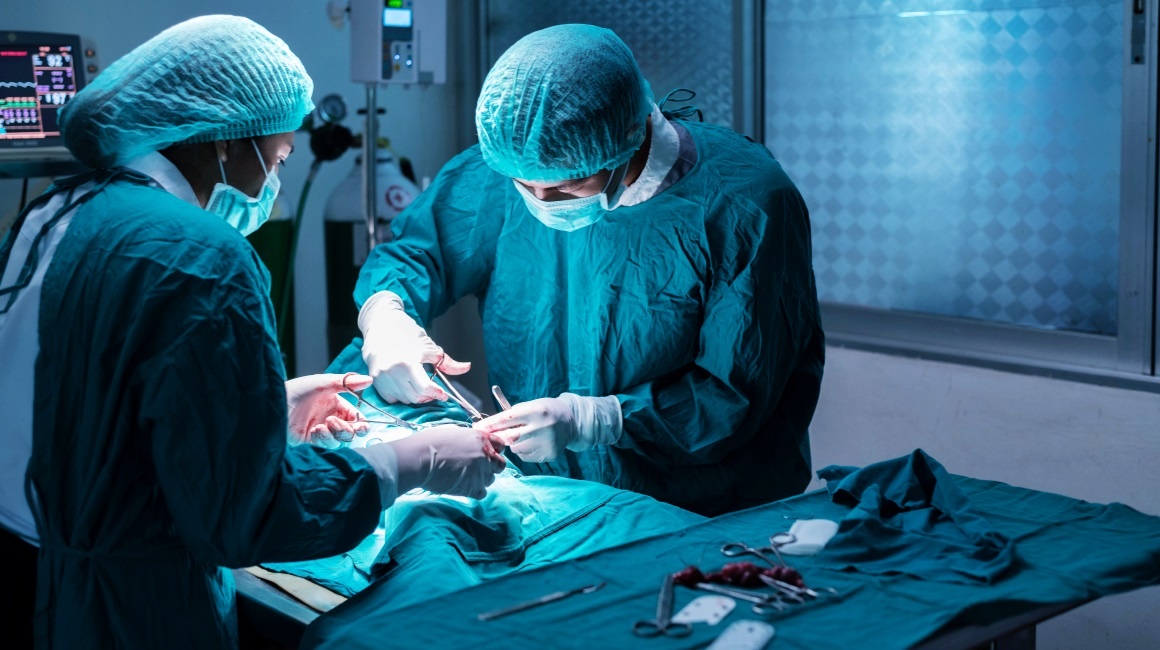
Surgical Oncology at Citizens Specialty Hospital
Surgical Oncology is a specialised branch of cancer care focused on the surgical diagnosis, treatment, and management of various types of cancer. Surgery remains one of the most effective and commonly used treatments for cancer, either as a standalone treatment or in combination with chemotherapy, radiation therapy, immunotherapy, and targeted therapies.
At Citizens Specialty Hospital, our Surgical Oncology department provides comprehensive cancer care using advanced surgical techniques, minimally invasive procedures, robotic-assisted surgery, and personalised treatment planning to achieve the best possible outcomes for patients.
Our experienced surgical oncologists work closely with medical oncologists, radiation oncologists, radiologists, and pathologists to deliver multidisciplinary cancer treatment with precision and compassion.
Role of Surgery in Cancer Treatment
Cancer surgery may be performed for several purposes, including:
- Diagnosing cancer
- Removing cancerous tumours
- Preventing cancer development in high-risk individuals
- Reducing tumour size
- Relieving cancer-related symptoms
- Restoring body function and appearance after treatment
The type of surgery recommended depends on the type, stage, and location of cancer, along with the patient’s overall health condition.
Types of Cancer Surgery
Curative Surgery
Curative surgery aims to completely remove cancerous tumours from the body when the cancer is localised to a specific area. It is often considered the primary treatment for many cancers and may be combined with chemotherapy or radiation therapy for enhanced effectiveness.
Benefits
- Removes cancerous tissue completely
- Improves survival outcomes
- Reduces the risk of cancer spread
- Often offers long-term disease control
Preventive Surgery
Preventive or prophylactic surgery removes tissues that may become cancerous in the future. This approach is commonly used in individuals with a high genetic or medical risk of developing cancer.
Benefits
- Reduces cancer risk significantly
- Helps detect precancerous changes early
- Prevents future complications
Diagnostic Surgery
Diagnostic surgery is performed to confirm the presence of cancer by removing tissue samples for laboratory analysis. Biopsies and tissue examinations help identify the type and stage of cancer accurately.
Benefits
- Confirms cancer diagnosis
- Helps determine cancer type and stage
- Supports personalised treatment planning
Staging Surgery
Staging surgery helps determine how far cancer has spread within the body. Procedures such as laparoscopy allow specialists to examine internal organs and collect tissue samples through minimally invasive techniques.
Benefits
- Assesses the extent of cancer spread
- Supports accurate treatment planning
- Helps evaluate prognosis and recovery outcomes
Debulking Surgery
Debulking surgery removes as much of a tumour as safely possible when complete removal is not feasible. This surgery is often combined with chemotherapy or radiation therapy.
Benefits
- Reduces tumour burden
- Improves effectiveness of other cancer treatments
- Helps relieve symptoms and discomfort
Palliative Surgery
Palliative surgery is performed in advanced stages of cancer to relieve symptoms and improve quality of life rather than cure the disease.
Benefits
- Reduces pain and discomfort
- Improves eating, breathing, or mobility
- Enhances overall comfort and quality of life
Supportive Surgery
Supportive surgery helps patients receive other cancer treatments more effectively. For example, procedures may be performed to place catheters or feeding tubes during cancer treatment.
Benefits
- Supports chemotherapy and other treatments
- Improves patient comfort and treatment access
- Assists long-term cancer management
Restorative Surgery
Restorative or reconstructive surgery helps restore appearance and body function after cancer treatment. It is commonly performed following surgeries such as breast cancer surgery, oral cancer surgery, or skin cancer procedures.
Benefits
- Restores physical appearance
- Improves body function and confidence
- Enhances emotional and psychological well-being
Advanced Surgical Innovations
Robotic-Assisted Cancer Surgery
Citizens Specialty Hospital offers advanced robotic-assisted cancer surgeries that provide greater precision, flexibility, and control during complex procedures. Robotic surgery is especially effective for cancers involving delicate and hard-to-reach areas within the body.
Advantages of Robotic Surgery
- Smaller incisions
- Reduced pain and blood loss
- Faster recovery time
- Shorter hospital stay
- Greater surgical precision
- Reduced complications
Artificial Intelligence in Surgical Oncology
Artificial Intelligence (AI) and Machine Learning (ML) are transforming cancer surgery by improving diagnostic accuracy, surgical precision, treatment planning, and patient outcomes.
AI-supported technologies help specialists:
- Analyse medical imaging more accurately
- Improve surgical planning
- Predict patient outcomes
- Enhance post-operative care and follow-up management
- Support personalised cancer treatment approaches
At Citizens Specialty Hospital, advanced technology and innovation are integrated into cancer care to improve survival rates and enhance patient recovery.