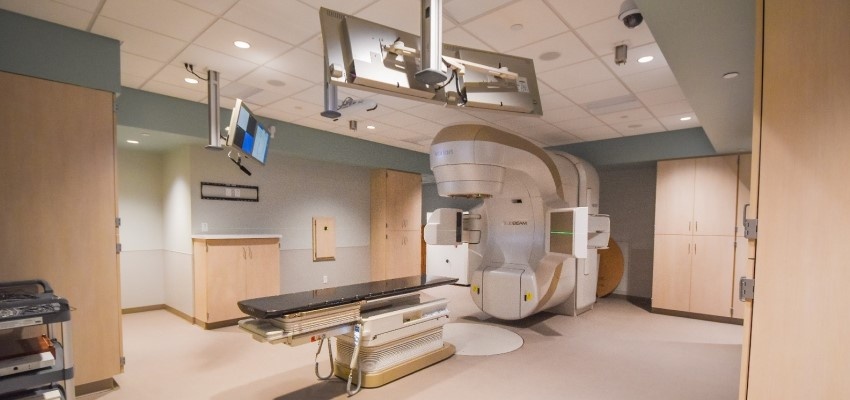
Radiation Oncology at Citizen Cancer Hospital
Radiation Oncology is a specialised branch of cancer treatment that uses high-energy radiation, such as X-rays, electrons, and proton beams, to destroy cancer cells and shrink tumours. Radiation therapy may be used independently or in combination with surgery, chemotherapy, immunotherapy, or targeted therapy to achieve the best treatment outcomes.
At Citizen Cancer Hospital, our Radiation Oncology department offers advanced, precision-based cancer treatment supported by experienced radiation oncologists, modern technology, and personalised care plans designed to maximise effectiveness while protecting healthy tissues.
Expert Radiation Oncology Team
Our multidisciplinary team includes highly skilled radiation oncologists, medical physicists, radiologists, oncology nurses, and cancer specialists who work together to provide comprehensive cancer care.
The specialists carefully evaluate every patient’s condition and develop customised radiation treatment plans that precisely target cancer cells while minimising side effects and preserving surrounding healthy tissues.
At Citizen Cancer Hospital, we focus on delivering compassionate, patient-centred care throughout diagnosis, treatment, recovery, and follow-up.
Holistic and Multidisciplinary Cancer Care
Cancer treatment often requires collaboration between multiple specialists. Our multidisciplinary oncology team works together to provide integrated cancer care, including:
- Early cancer detection and diagnosis
- Radiation therapy planning and treatment
- Surgical oncology support
- Medical oncology and chemotherapy
- Rehabilitation and supportive care
- Long-term follow-up and survivorship care
This collaborative approach helps improve treatment outcomes, recovery rates, and quality of life for cancer patients.
Types of Radiation Therapy
There are two primary types of radiation therapy available at Citizen Cancer Hospital:
External Beam Radiation Therapy (EBRT)
External Beam Radiation Therapy is the most commonly used form of radiation treatment. In this method, a machine directs high-energy radiation beams precisely at the tumour to destroy cancer cells.
Advanced EBRT Techniques
3D Conformal Radiation Therapy (3D-CRT)
Uses advanced CT imaging and computer software to create a three-dimensional model of the tumour, enabling accurate radiation delivery while sparing healthy tissue.
Intensity-Modulated Radiation Therapy (IMRT)
An advanced form of radiation therapy that delivers varying radiation intensities to different parts of the tumour, improving precision and reducing damage to nearby tissues.
Volumetric Modulated Arc Therapy (VMAT)
A highly advanced arc-based radiation therapy that delivers radiation rapidly and accurately while the machine rotates around the patient.
Image-Guided Radiation Therapy (IGRT)
Uses real-time imaging before and during treatment to ensure accurate tumour targeting and improved treatment precision.
Stereotactic Radiosurgery (SRS)
Delivers highly focused, high-dose radiation to small brain tumours with exceptional accuracy, without the need for open surgery.
Stereotactic Body Radiation Therapy (SBRT)
Targets tumours outside the brain with high-dose precision radiation while minimising exposure to surrounding healthy tissues.
Intraoperative Radiation Therapy (IORT)
Radiation is delivered directly to the tumour site during surgery to eliminate remaining cancer cells immediately after tumour removal.
Internal Radiation Therapy
Internal radiation therapy places radioactive material inside or near the tumour to destroy cancer cells effectively.
Brachytherapy
Brachytherapy involves placing radioactive seeds or implants directly into or near the tumour. This allows high doses of radiation to target cancer cells while limiting exposure to healthy tissues.
It is commonly used for cancers involving:
- Prostate
- Cervix
- Uterus
- Breast
- Head and neck
Systemic Radiation Therapy
In systemic therapy, radioactive substances travel through the bloodstream to locate and destroy cancer cells throughout the body. Treatments may be given orally or through intravenous injections.
Benefits of Radiation Therapy
Radiation therapy offers several important benefits in cancer care, including:
- Effective destruction of cancer cells
- Shrinking tumours before surgery
- Preventing cancer recurrence
- Relieving pain and cancer-related symptoms
- Supporting other cancer treatments such as chemotherapy and surgery
- Improving quality of life and survival outcomes
Radiation therapy also plays a vital role in palliative cancer care by helping patients manage symptoms and maintain comfort during advanced stages of cancer.
Advanced Innovations in Radiation Oncology
Flash Radiation Therapy
Flash Therapy is one of the latest innovations in radiation oncology. It delivers an ultra-high radiation dose in an extremely short duration, potentially reducing damage to healthy tissues while rapidly destroying cancer cells.
This emerging technology may significantly improve treatment efficiency and patient recovery in the future of cancer care.
MRI-Guided Radiation Therapy
Modern MRI-guided linear accelerator systems allow real-time imaging during radiation treatment. This advanced technology improves tumour targeting accuracy by accounting for body movement, breathing, and internal organ changes during treatment sessions.
Advantages of MRI-Guided Therapy
- Enhanced treatment precision
- Improved tumour targeting
- Reduced radiation exposure to healthy tissue
- Better treatment adaptation during therapy
- Improved patient safety and outcomes